THE SOCIOSCOPE

Seeing How Social Change Takes Shape

...
Documented Initiatives
...
Countries
...
Global Interviewers
...
Continents

A Social Microscope on Food Systems Change

Through large scale data collection around the world and LLM-driven research, the Socioscope analyses how behaviours, norms, and practices evolve within sustainable food transitions.

We're building a systemic way to help make complex social patterns measurable, comparable, and understandable.

Data

Sophisticated on-the-ground data collection across 35+ countries, capturing not just what initiatives do, but how they transform economic, ecological, cultural and governance ecosystems.

Our well-trained local interviewers and field mangagers conduct ethnographic fieldwork, semi-structured qualitative interviews, and participatory observation to build the most comprehensive data set of food system transformations.

Technology

Establishing an LLM-driven research methodology that can process qualitative data at large scale while preserving contextual nuance and cultural specificity.

Our suite of classic and LLM-driven technology tools helps researchers analyze data across hundreds of cases in a valid and reliable way.

Analysis

Developing new frameworks and pathways to understand food systems transformation across sectors and contexts examining economic, political and cultural dimensions.

Unpacking how stakeholders work together, the motivations and values that incentivize them, and key challenges; a layered approach to mapping how food systems transition.

Global Reach, Local Impact

Stories from the Field

Les Pieds dans le Plat: Promoting Organic and Local Food in Collective Catering

Les Pieds dans le Plat: Promoting Organic and Local Food in Collective Catering

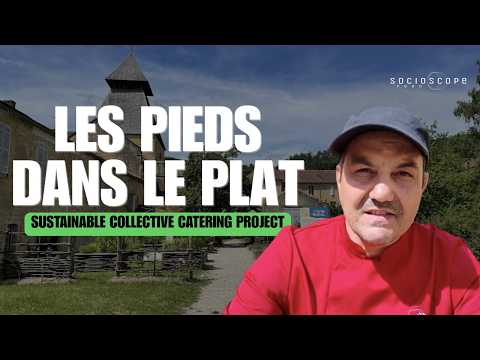
Les Pieds dans le Plat is an initiative founded by a collective of chefs and cooks following the Grenelle Environment Forum. The initiative works to transform food practices in collective catering by promoting 100% organic, homemade meals prepared with local and seasonal products. It focuses on training kitchen teams and building partnerships with local actors to support healthier and more sustainable food systems.
Lufa: Rooftop Farming and Local Food Distribution in Montreal

Lufa: Rooftop Farming and Local Food Distribution in Montreal

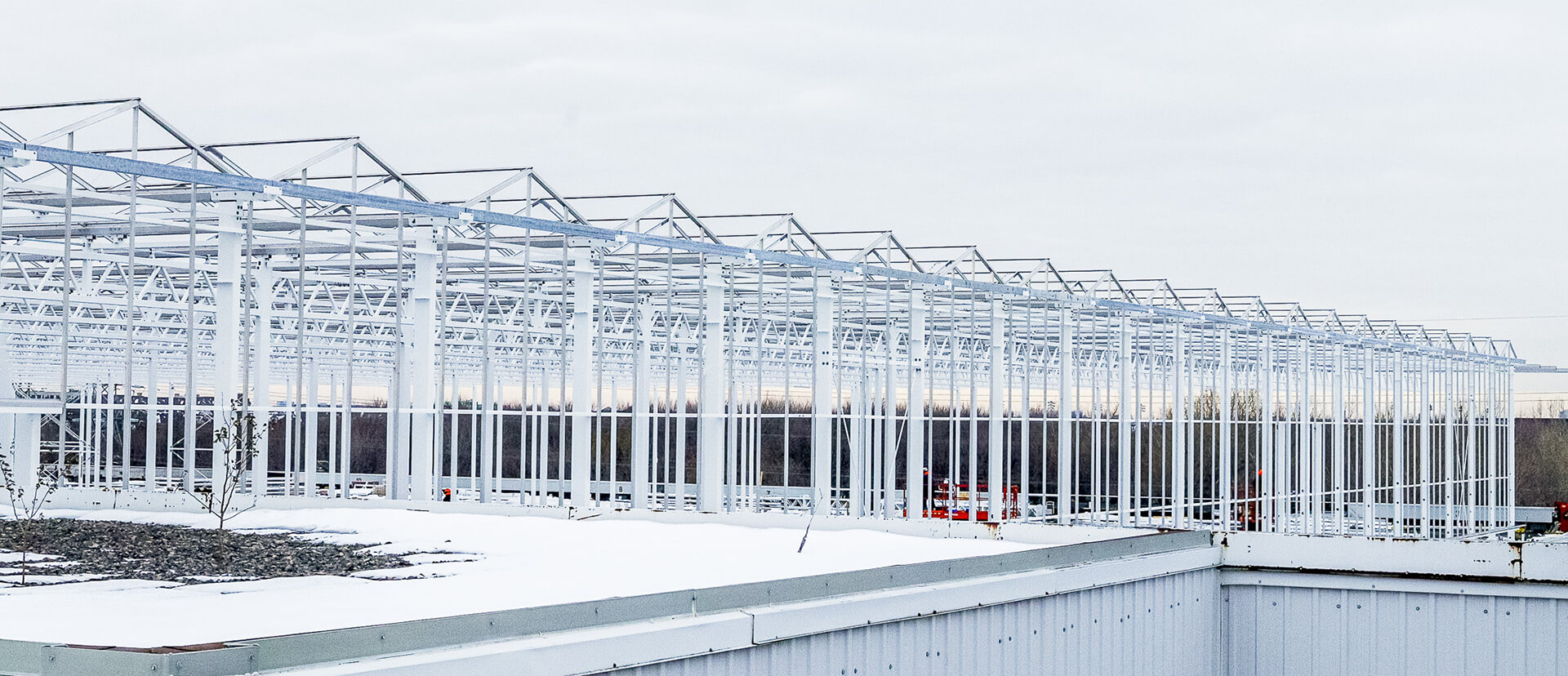
Lufa is an urban farming initiative founded in 2009 in Montreal by four co-founders. The project focuses on rooftop farming to improve food transparency and sustainability. Through a network of rooftop greenhouses and an online marketplace, Lufa collaborates with local producers to provide fresh food while supporting environmentally responsible practices.

Finca Laguna Verde: Transitioning to Regenerative Dairy Farming in Costa Rica

Finca Laguna Verde: Transitioning to Regenerative Dairy Farming in Costa Rica

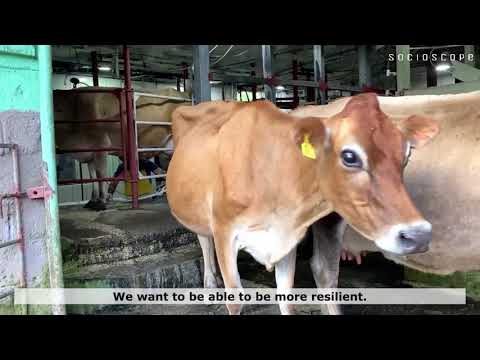
Finca Laguna Verde is a regenerative rotational grazing and milking dairy farm located in Costa Rica. Operating for about 50 years, the farm shifted to regenerative practices seven to eight years ago under its current owner. Despite initial resistance from the local community and family, the transition aimed to restore land health and reduce environmental impact while maintaining the farm’s financial viability.

Linser for Livet: Connecting Farmers and Communities

Linser for Livet: Connecting Farmers and Communities

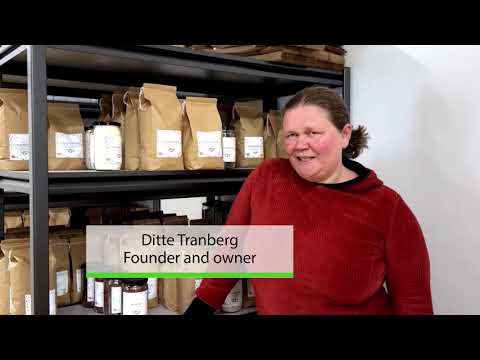
Linser for Livet is a small initiative based on a farm near Ohus, Denmark, centered on the production of 100% organic Danish vegetables. The initiative connects local farmers transitioning to pulse production with larger suppliers while maintaining direct relationships with customers. Its approach emphasizes sustainability, community engagement, and relationship-building within the food system.

Bwyd Sir Gar Food Partnership: Building a Sustainable Local Food System in Carmarthenshire

Bwyd Sir Gar Food Partnership: Building a Sustainable Local Food System in Carmarthenshire

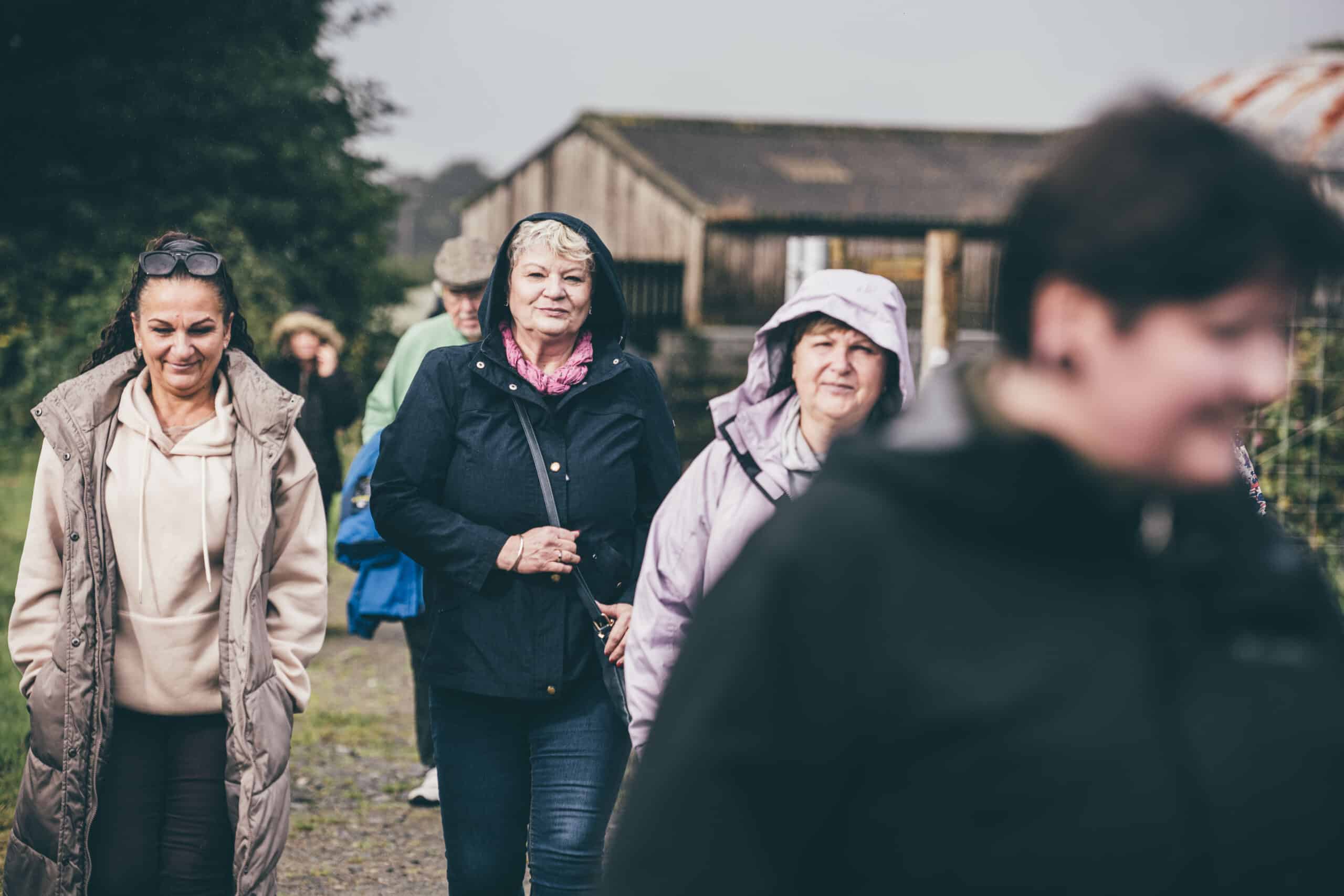
The Bwyd Sir Gar Food Partnership is a local initiative in Carmarthenshire, West Wales, established during the COVID-19 pandemic. As part of the Sustainable Food Places network, the partnership brings together communities and stakeholders to develop a diverse, inclusive, and sustainable food system. Its initiatives focus on improving access to food, promoting local sourcing, and supporting disadvantaged communities.

Postobón’s “Uno Más Todos”: A Sustainability Model for Wellbeing, Environment, and Social Development

Postobón’s “Uno Más Todos”: A Sustainability Model for Wellbeing, Environment, and Social Development

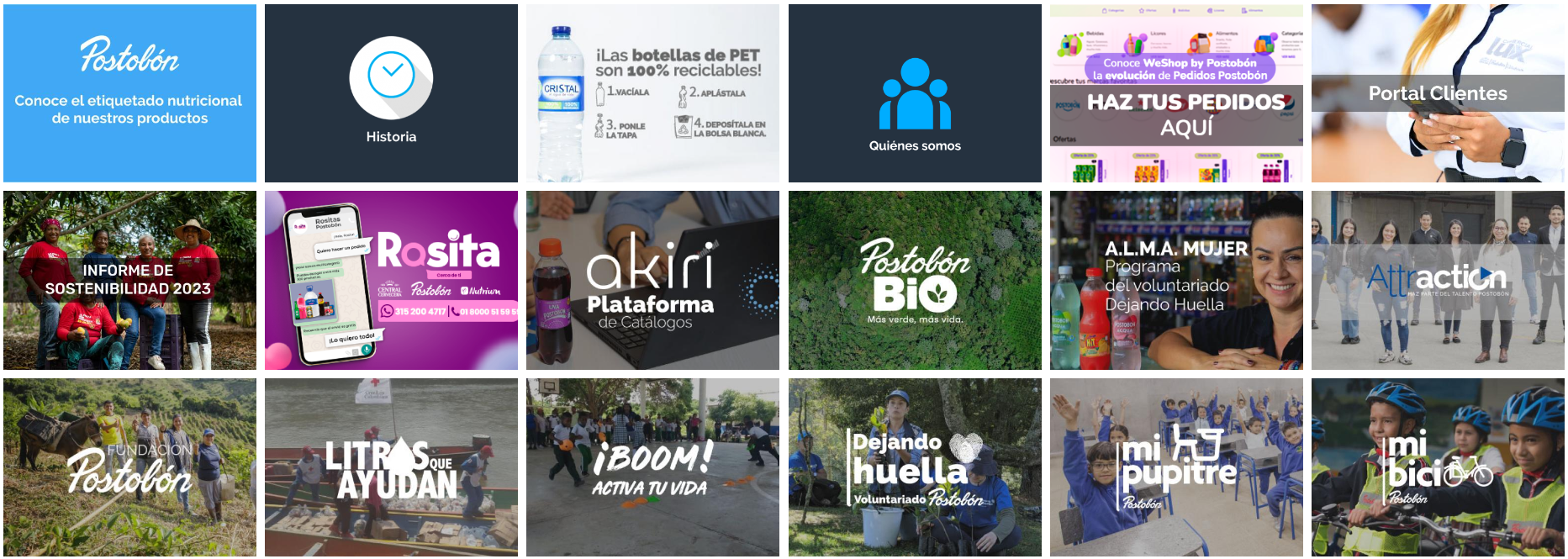
Postobón is a 120-year-old Colombian beverage company with 19 plants and 60+ distribution centers, covering 95% of Colombian territory. Their sustainability model 'Uno Más Todos' addresses consumer wellbeing (sugar reduction, active lifestyle programs), environmental stewardship (circular economy, climate action, water management), and social development (recycler empowerment, smallholder farmer programs). The company works with 6,500 recyclers, 1,600 fruit farming families, and has achieved carbon neutrality certification while implementing comprehensive supply chain sustainability programs.

Leading the Research

The Socioscope Research Project is supported by the Nomis Foundation